Choosing the Right Quad Biking Experience in Barsha Heights, Dubai
Picking the right quad biking experience in Barsha Heights, Dubai is less about chasing the biggest engine and more about matching the ride to your comfort, the group and the setting. A good choice makes the day feel smooth from the first briefing to the last stretch of sand. A poor match can feel tiring, crowded or more intense than expected.
Start by deciding what kind of outing you want. Some riders picture open desert tracks, wide dunes and a steady pace with time to stop and take in the scenery. Others want a short, lively session focused on turns and speed control. Both can work well, but they ask for different levels of confidence. Be honest about how comfortable you are with a vehicle that leans, shifts and responds differently on sand than on tarmac.
Set the purpose before comparing options
Think about why the ride is on the plan. If it is part of a family day, comfort and clear rules matter more than raw power. If it is for a keen rider who enjoys terrain, the route and the level of freedom matter more. A first timer usually benefits from a calm pace, a clear briefing and space to practise balance technique before the route gets more varied.
Group size also changes the decision. Mixed groups often need a route that allows beginners to keep their distance from faster riders. Children and less confident adults may need a different vehicle class or a shorter route. If the group includes people who want photos, pauses and a slower rhythm, choose an option that does not make every stop feel rushed.
When people search for quad biking dubai, they often focus on the vehicle first. That is only one part of the choice. The route, the supervision, the safety brief, the timing and the way the group is managed can shape the day just as much.
Match the vehicle to the rider
Quad bikes differ in size, weight, power and ease of handling. A smaller, lighter machine can feel less intimidating for a newcomer, while a larger one may feel steadier over uneven ground but harder to manage at low speed. The right match is the one that lets the rider sit comfortably, reach the controls without stretching and keep both feet planted when stopped.
Ask what kind of machine is intended for the rider, not just what is available. A useful answer explains whether the bike is automatic, how the throttle responds and whether there is any speed limit for beginners. Avoid choosing purely on engine size. More power can be useful on dunes, but it can also make small mistakes feel sudden on sand.

A sand buggy may also be part of the conversation. It has a different feel from a quad bike, often with a lower seating position and a wider stance. Some riders prefer that sense of stability. Others like the active body movement needed on a quad. The better choice depends on how the rider handles turns, slopes and loose surfaces.
Check the terrain and route style
Desert riding looks open from a distance, but the surface changes quickly. Firm sand can turn soft, a small crest can hide a dip, and tracks can narrow around dunes. A route that follows marked paths is usually easier to follow than one that relies on memory or loose instructions. Trail markers help riders understand where to go and where not to go, especially when a group spreads out.
Look for a clear explanation of the route before committing. Does it include open stretches, tighter turns, hill climbs or stops for photos? Are beginners kept on gentler ground? Can the pace be adjusted if the group is tired? These questions matter more than a dramatic route description. A ride that gives riders room to build confidence will usually feel better than one that pushes everyone into difficult terrain early.
The best routes also respect the surroundings. Sand is easily damaged by careless driving, and wildlife and plants can be disturbed when vehicles wander beyond marked areas. A responsible operator will make route boundaries clear and remind riders to stay on approved tracks.
Look closely at safety gear and briefing
Safety gear is a practical sign of how seriously a ride is organised. A helmet should fit properly, sit level and fasten securely. Gloves help with grip and protect hands. Eye protection is useful where sand can be kicked up. Long trousers and closed shoes are sensible, and loose scarves or dangling accessories should be avoided.
The briefing should be plain and useful. It should cover how to start and stop, how to use the throttle gently, how to lean through turns and what to do if the bike starts to slide. Riders should understand hand signals, the role of the lead rider and what happens if someone falls behind. If the explanation feels rushed or unclear, that is a reason to pause and ask for more detail.
Speed control deserves particular attention. On sand, sudden braking or sharp steering can unsettle a quad. Riders need time to learn smooth inputs and to keep a safe gap from others. A good ride sets expectations before departure and reinforces them during stops, rather than relying on riders to guess.
Understand supervision without assuming too much
Supervision can make a big difference, especially for first timers. A guided tour can help the group stay on route, keep a steady pace and receive quick reminders when technique slips. The useful question is not simply whether a guide exists, but how the group is managed. Will the guide stay at the front, the back or move between riders? How are slower riders supported? What is the plan if someone wants to stop?
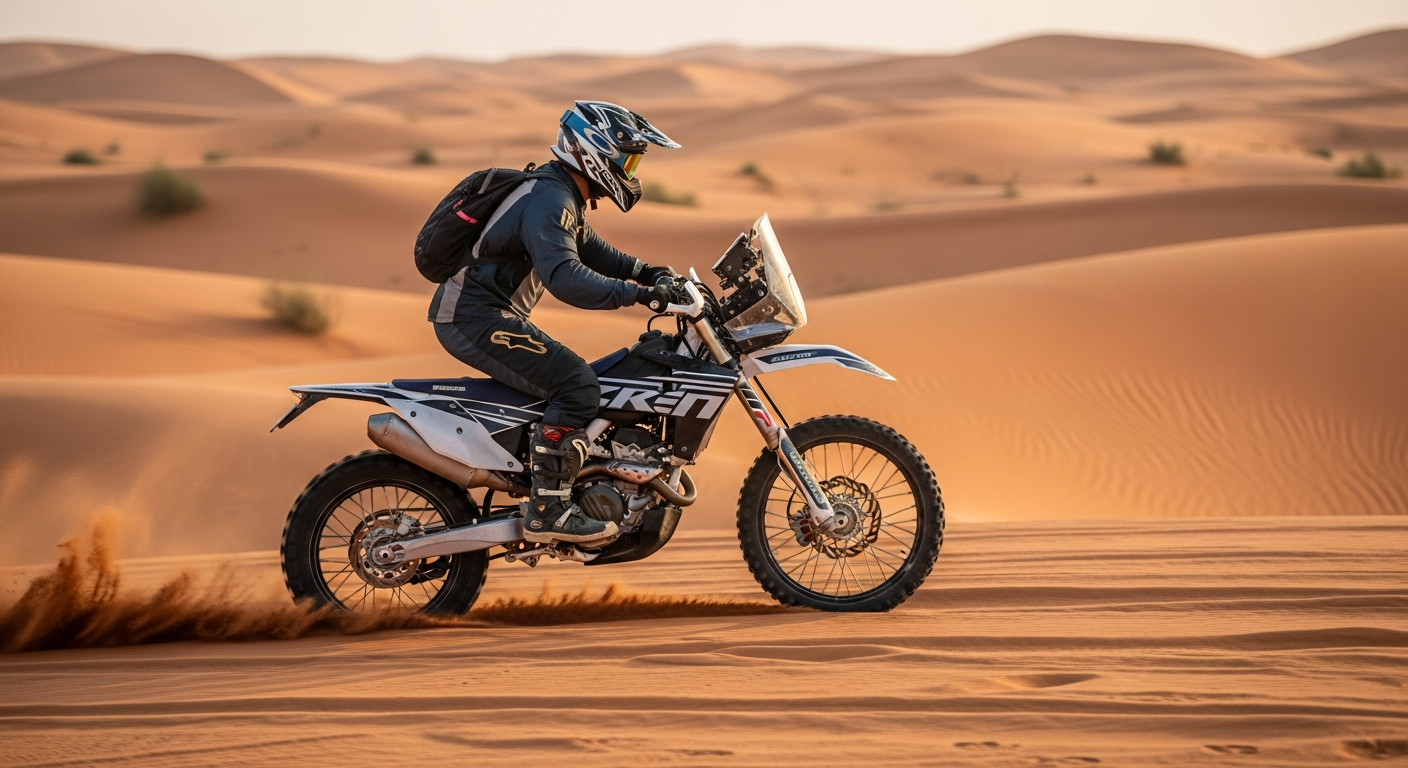
Ask about rider requirements before booking. These may include age limits, licence rules, minimum height, weight limits or whetherExperience is needed. Requirements vary, so they should be confirmed with whichever business is chosen rather than assumed. The same applies to timings, what is included, what riders should bring and whether a booking is needed.
One local option is Dune Buggy Ride Dubai and Quad Biking Dubai. When comparing local businesses such as Dune Buggy Ride Dubai and Quad Biking Dubai, keep the decision grounded in rider needs, route clarity, safety gear and the questions that must be confirmed before the day.
Compare timing, comfort and group flow
Desert conditions can feel very different across the day. Earlier hours may be cooler, while later light can change how dunes and tracks look. Heat, dust and wind all affect comfort, so choose a time that suits the least confident rider in the group. A shorter session at a comfortable time is often better than a long ride that people endure.
Transport and waiting time matter too. A ride may be brief, but the full outing can include travel, check in, safety gear, briefing and returns. If the day is tight, ask how the schedule is structured. Riders should know where to meet, what happens on arrival and how much time is spent getting ready.
Group flow is another detail worth checking. A ride with too many people can feel fragmented, with long gaps between riders and less chance to ask questions. A smaller group often feels calmer, though the atmosphere may be less lively. The right balance depends on whether the priority is space, social energy or focused instruction.
Ask practical questions before paying
Before committing, ask a short set of direct questions. The answers should be specific enough to help you compare choices rather than leave you with vague promises.
- What rider requirements apply, including age, licence and experience rules?
- What safety gear is provided, and what should riders bring themselves?
- How is the route marked, and what happens if the group separates?
- How is the pace handled for beginners or mixed ability groups?
- What are the booking, timing and cancellation terms?
A clear answer is a good sign, not because it guarantees a perfect day, but because it helps riders prepare. Vague answers often lead to confusion on arrival. If something affects safety, comfort or cost, it is better to settle it before travel than to decide in the moment.
Also check what happens if plans change. Weather can alter desert conditions, and riders may arrive less prepared than expected. Ask how rescheduling, late arrival and missed bookings are handled. Confirm all details with the chosen business, since terms differ and should not be guessed.
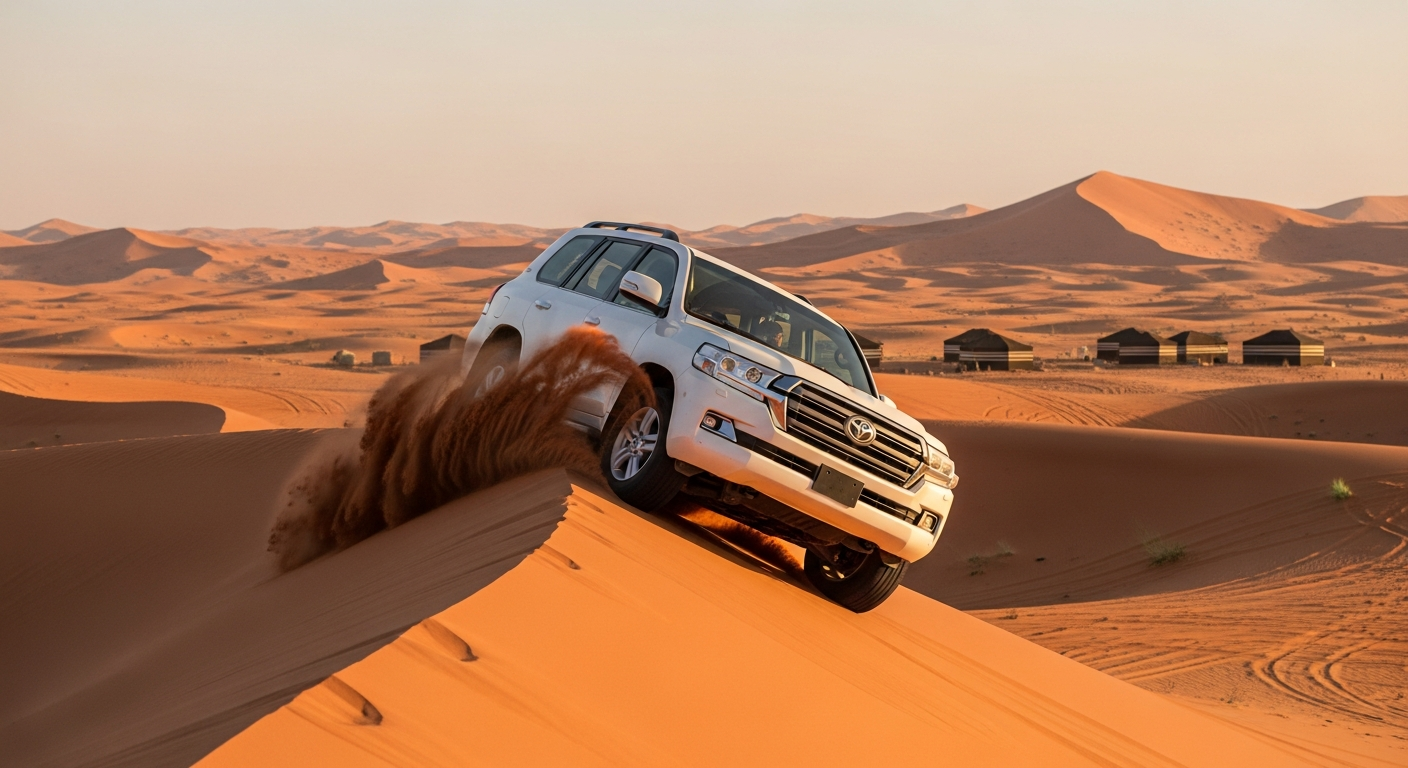
Make the final choice with a steady head
Once the basics are clear, compare options on fit rather than appearance. The best pick is not always the fastest bike, the longest route or the most dramatic setting. It is the ride where the rider feels prepared, the route is understood, the safety gear fits and the pace suits the group.
For a first outing, favour calm structure over excitement alone. Choose a route with clear boundaries, a briefing that explains the controls and a pace that allows riders to settle. For experienced riders, look for terrain variety, sensible route markers and a group that respects speed control. In both cases, comfort and clarity are worth more than a bold promise.
Local business details: Dune Buggy Ride Dubai and Quad Biking Dubai, Grosvenor Business Tower3 - 4th Floor Office 404 Al Fosool street - Al Thanyah First - Barsha Heights - Dubai - United Arab Emirates.